More Than Just a Drink
In China, tea is everywhere. It's served at business meetings, family gatherings, and casual get-togethers. It's offered to guests as a sign of hospitality. It's consumed at every meal, every time of day. But for all its ubiquity, tea in China is far more than just a beverage — it's a 5,000-year-old art form, a philosophy, and a way of life.
The Chinese character for tea (茶) is made up of three parts: "grass" (艹) on top, "person" (人) in the middle, and "tree" (木) on the bottom. Together, they symbolize a person standing between nature and cultivation — perfectly capturing the essence of tea: a natural product that requires human skill and artistry to bring out its best qualities.
In this beginner's guide, we'll introduce you to the fascinating world of Chinese tea — from the six major types to the proper brewing techniques to the essential gear you need to experience tea the Chinese way.
🍃 The Six Major Types of Chinese Tea
All tea comes from the same plant: Camellia sinensis. What makes teas different is how the leaves are processed after picking. Chinese tea is traditionally divided into six major categories, based on the degree of oxidation (fermentation) the leaves undergo:
1. Green Tea (绿茶) — Unoxidized
Green tea is the most popular type of tea in China, and the one most people are familiar with. The leaves are picked and then quickly heated (either by pan-firing or steaming) to stop oxidation, preserving their fresh, grassy flavor and green color.
Famous varieties: Longjing (Dragon Well) from Hangzhou, Biluochun from Jiangsu, Huangshan Maofeng from Anhui
Taste profile: Fresh, vegetal, slightly sweet, with a refreshing aftertaste
Best for: Morning drinking, hot weather, pairing with light foods
2. White Tea (白茶) — Lightly Oxidized
White tea is the least processed of all teas. The leaves are simply picked and dried in the sun, with minimal handling. This minimal processing gives white tea a delicate, subtle flavor and a pale, straw-colored liquor.
Famous varieties: Baihao Yinzhen (Silver Needle) from Fujian, Bai Mudan (White Peony), Shou Mei
Taste profile: Delicate, sweet, floral, with notes of honey and melon
Best for: Afternoon tea, beginners, those who prefer mild flavors
3. Yellow Tea (黄茶) — Slightly Oxidized
Yellow tea is the rarest and most expensive type of Chinese tea. It's processed similarly to green tea, but with an extra step called "sealing yellow" (men huang), where the leaves are wrapped and steamed to encourage slight oxidation. This gives yellow tea a mellow, less grassy flavor than green tea.
Famous varieties: Junshan Yinzhen from Hunan, Mengding Huangya from Sichuan, Huoshan Huangya
Taste profile: Mellow, smooth, slightly sweet, with minimal astringency
Best for: Connoisseurs, special occasions, gifting
4. Oolong Tea (乌龙茶) — Semi-Oxidized
Oolong tea is partially oxidized — somewhere between green and black tea. The leaves are withered, bruised, and then repeatedly roasted and rolled, creating a complex, layered flavor. Oolong is perhaps the most diverse category of tea, with flavors ranging from light and floral to dark and roasted.
Famous varieties: Tieguanyin (Iron Goddess) from Fujian, Dahongpao (Big Red Robe) from Wuyi, Dongding Oolong from Taiwan
Taste profile: Complex, layered, floral, fruity, with a long, lingering aftertaste
Best for: Gongfu tea ceremonies, after meals, pairing with dim sum
5. Black Tea (红茶) — Fully Oxidized
Black tea (called "red tea" in Chinese) is fully oxidized, giving it a rich, robust flavor and a dark, reddish-brown liquor. Black tea is the most popular type of tea in the West, but Chinese black teas have their own distinct character — often smoother and sweeter than their Indian or Sri Lankan counterparts.
Famous varieties: Keemun (Qimen) from Anhui, Dianhong from Yunnan, Lapsang Souchong from Fujian
Taste profile: Rich, smooth, malty, with notes of chocolate, fruit, and (for Lapsang) smoky pine
Best for: Morning drinking, cold weather, pairing with hearty foods
6. Dark Tea (黑茶) — Post-Fermented
Dark tea is unique in that it undergoes microbial fermentation after the initial processing. This post-fermentation gives dark tea a distinctive earthy flavor and allows it to age and improve over time — much like fine wine. The most famous dark tea is pu-erh from Yunnan.
Famous varieties: Pu-erh (raw and ripe) from Yunnan, Liu Bao from Guangxi, Fu Zhuan from Hunan
Taste profile: Earthy, woody, smooth, with notes of mushroom, forest floor, and aged wood
Best for: After heavy meals, aging and collecting, experienced tea drinkers
🫖 The Essential Gear for Chinese Tea
To truly experience Chinese tea, you'll need the right gear. While you can certainly drink tea with just a mug and a tea bag, investing in proper tea equipment will dramatically improve your experience. Here's what you'll need:
The Gaiwan (盖碗) — The Versatile Tea Vessel
A gaiwan is a lidded bowl that is the most versatile piece of tea equipment. It consists of three parts: the bowl, the lid, and the saucer. The lid is used to strain the tea leaves while drinking, and the saucer protects your hands from the heat. Gaiwans are suitable for all types of tea, but they're especially popular for oolong and pu-erh.
🛍️ Product Pick: Premium Porcelain Gaiwan Set
A beautifully crafted porcelain gaiwan set, including a 150ml gaiwan, six tasting cups, a fairness pitcher (gongdao bei), and a tea strainer. Made from high-quality Jingdezhen porcelain with a classic blue-and-white design. Perfect for Gongfu-style tea brewing.
The Yixing Teapot (紫砂壶) — The Connoisseur's Choice
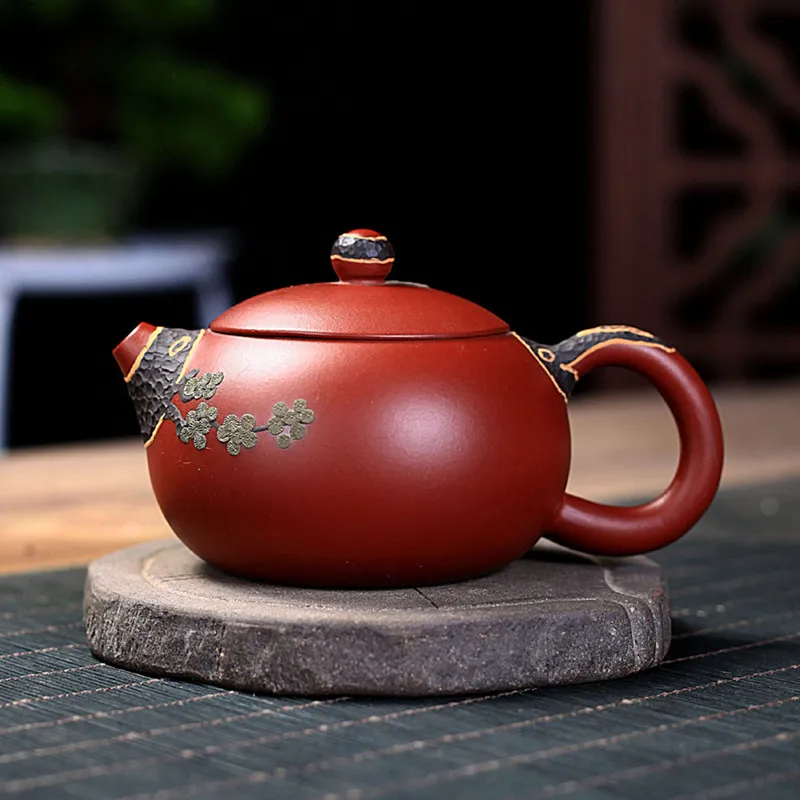
For serious tea enthusiasts, a Yixing teapot is the ultimate tea vessel. Made from special purple clay (zisha) found only in the Yixing region of Jiangsu province, these teapots are unglazed and porous, which means they absorb the flavors of the tea brewed in them. Over time, a well-used Yixing teapot develops a rich patina and enhances the flavor of the tea. Yixing pots are especially prized for oolong and pu-erh.
🛍️ Product Pick: Authentic Yixing Purple Clay Teapot
A handcrafted Yixing teapot made from authentic zisha (purple clay), featuring a classic Shi Piao shape and a capacity of 200ml. Each pot is individually crafted by skilled artisans and comes with a certificate of authenticity. Perfect for brewing oolong and pu-erh tea.
Other Essential Accessories
- Fairness pitcher (gongdao bei) — Used to ensure each cup of tea has the same strength
- Tea strainer — Filters out small tea leaves and particles
- Tea tray (cha pan) — A dedicated surface for brewing tea, with a drainage system for spilled water
- Tea pick (cha zhen) — Used to clear the spout of teapots and to break apart compressed tea cakes
- Tea holder (cha he) — Used to display and smell dry tea leaves before brewing
- Tea towels — For wiping up spills and drying utensils
- Electric kettle with temperature control — Different teas require different water temperatures
🛍️ Product Pick: Complete Gongfu Tea Accessories Set
Everything you need for a complete Gongfu tea ceremony, including a bamboo tea tray, fairness pitcher, tea strainer, tea pick, tea holder, tea towels, and a temperature-controlled electric kettle. Perfect for beginners and experienced tea drinkers alike.
💧 The Art of Brewing: Water Temperature and Timing
Brewing Chinese tea properly is both an art and a science. The two most important factors are water temperature and steeping time. Different teas require different temperatures and times to bring out their best flavors:
| Tea Type | Water Temperature | First Steep | Subsequent Steeps |
|---|---|---|---|
| Green Tea | 75-85°C (167-185°F) | 1-2 minutes | +30 seconds each |
| White Tea | 80-85°C (176-185°F) | 2-3 minutes | +30-60 seconds each |
| Oolong Tea | 90-95°C (194-203°F) | 30-45 seconds | +10-15 seconds each |
| Black Tea | 95-100°C (203-212°F) | 2-3 minutes | +30-60 seconds each |
| Pu-erh (Ripe) | 100°C (212°F) | 10-20 seconds (wash first) | +5-10 seconds each |
| Pu-erh (Raw) | 95-100°C (203-212°F) | 15-30 seconds (wash first) | +5-10 seconds each |
Pro tip: For Gongfu-style brewing (the traditional Chinese method), use more tea leaves and shorter steeping times. This allows you to brew multiple infusions from the same leaves, with each steep revealing different layers of flavor.
✨ Start Your Tea Journey Today
Chinese tea is a world of discovery — with thousands of varieties, centuries of tradition, and endless opportunities for exploration. Whether you're a complete beginner or an experienced connoisseur, there's always something new to learn and taste.
And the best part? You don't have to travel to China to experience authentic Chinese tea. With high-quality tea and tea equipment available from Chinese suppliers, you can start your own tea journey right at home.
At Sumudu Trading, we specialize in helping global buyers source authentic Chinese tea and tea equipment — from premium loose-leaf teas to handcrafted Yixing teapots to complete Gongfu tea sets. We verify every supplier, inspect every product, and handle all the logistics, so you can focus on enjoying your tea.
→ Get a free quote and start your Chinese tea journey today
What's your favorite type of Chinese tea? And do you have any questions about brewing or equipment? Let us know in the comments — we love talking tea!
— The Sumudu Team, passionate about sharing the art and culture of Chinese tea with the world