Two Habits, One Country
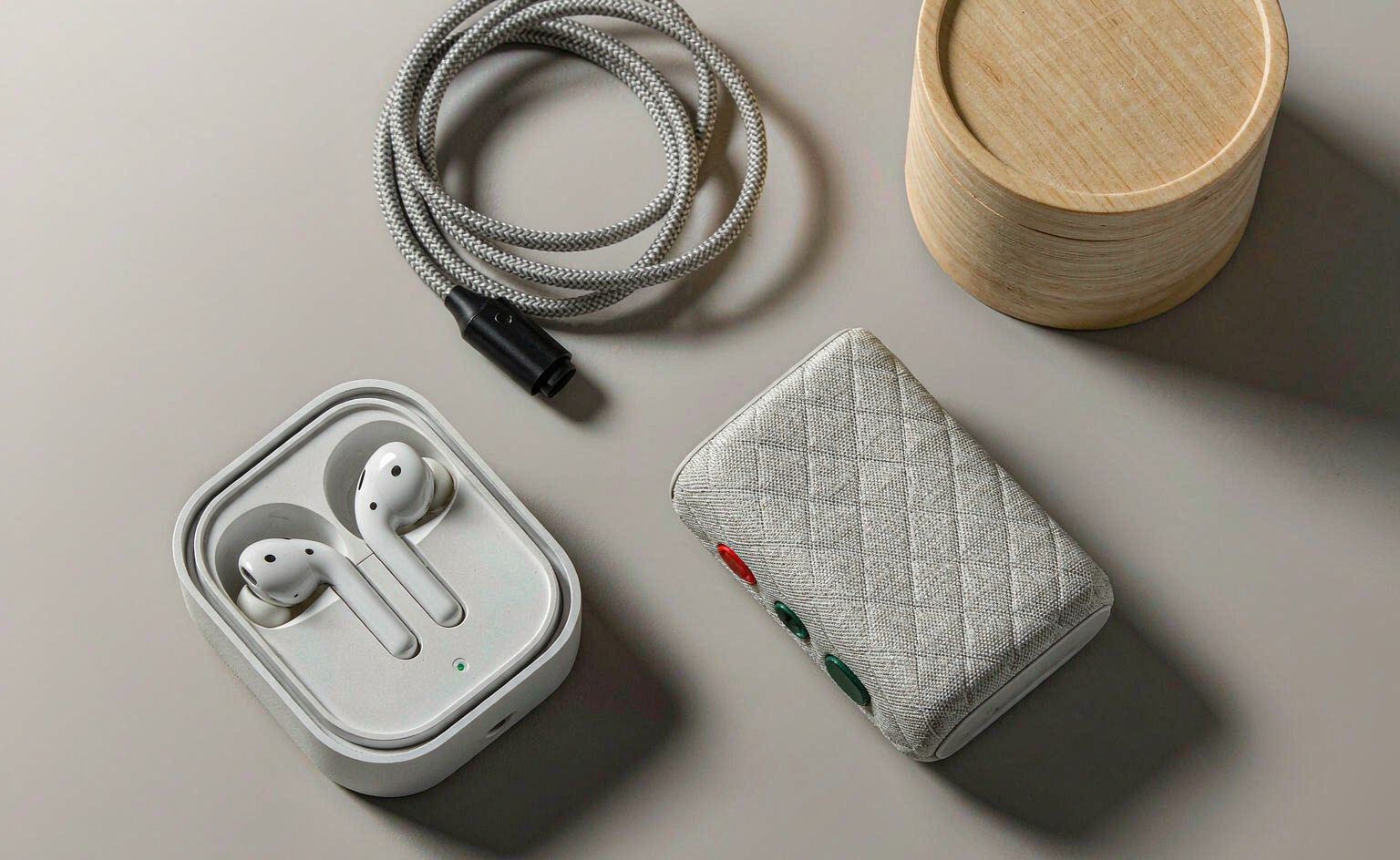
Over the past two years, English-language social media has produced a steady stream of China-related trends: China Travel, China Shopping, China Cool, Chinamaxxing and China Haul. They all describe the same phenomenon from different angles — people outside China are engaging with Chinese products and Chinese life more directly than ever.
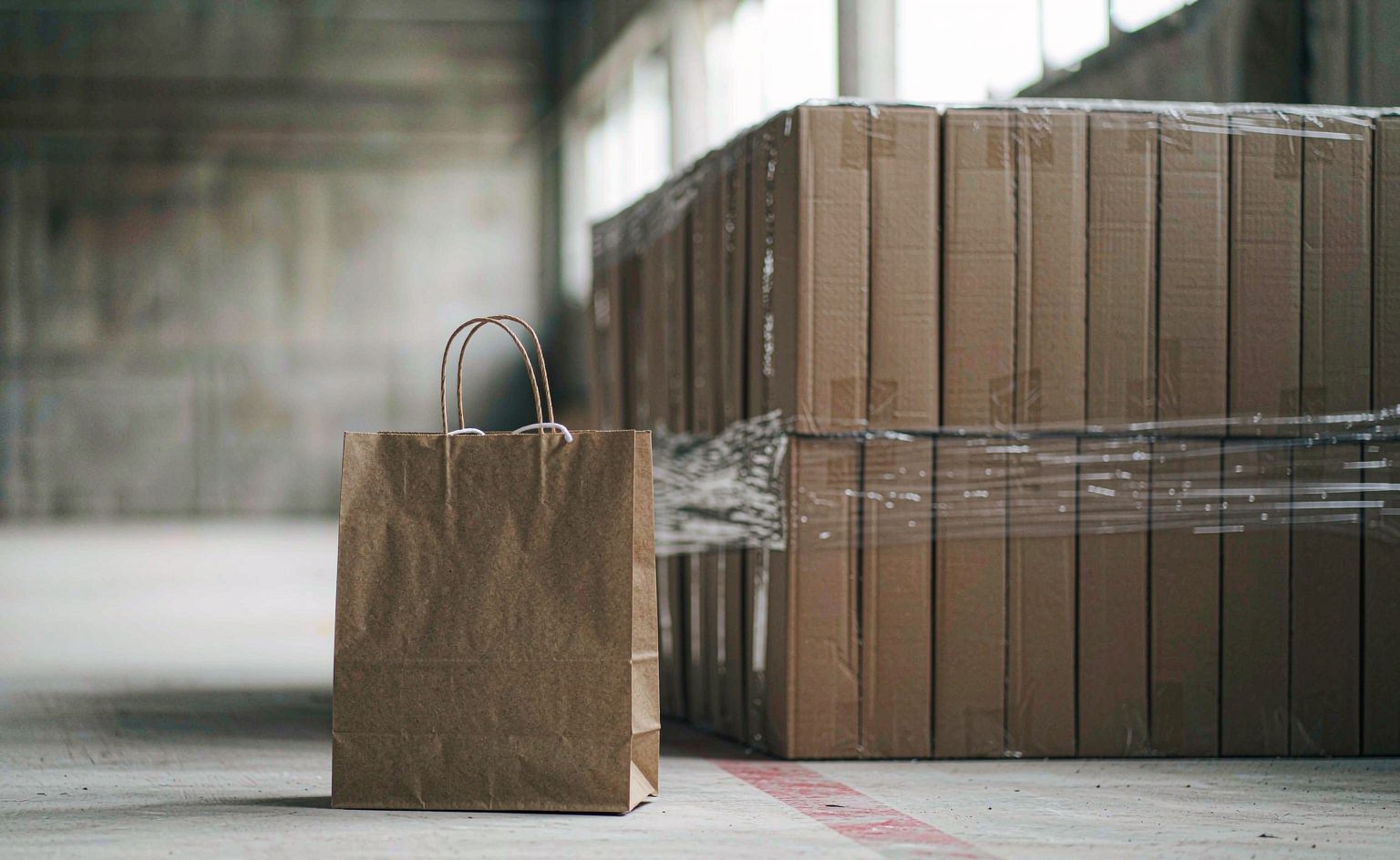
For a professional buyer, one of these terms deserves closer attention: China Shopping. The retail version is simple — fly to Shanghai, fill a suitcase, post the receipts. The B2B version is a different business entirely, and mixing the two up is one of the most expensive mistakes a first-time importer can make.
This article is about the gap between the two.
What Retail China Shopping Actually Optimises For
Retail and small-batch buying is built around speed and choice:
- Quantity of one. You buy what you can carry or what a courier can ship.
- Instant pricing. The price is on the screen; you pay it or you don't.
- No specification. What you see is what you get. Nobody draws a drawing for you.
- No after-sales chain. If it breaks, you replace it.
None of that is wrong. It is simply not procurement. When a buyer tells us “I found it online for much less,” they are usually comparing a retail listing with a factory quotation — two prices that were never comparable.
What Changes the Moment You Buy at Volume
Six things change at once, and each of them changes the price:
- MOQ (minimum order quantity). Factories quote per-unit prices that assume a minimum run. Below that number the unit price is either higher or simply not offered.
- Specification. Bulk buying starts with a spec sheet: material, dimensions, tolerance, finish, packaging, labelling. The spec is what you are actually paying for.
- Sampling and tooling. Pre-production samples, moulds and fixtures are normal steps. They cost money and they take time — and in most cases they are exactly what makes the mass production run reliable.
- Quality control. At retail, you inspect by looking. At volume, inspection happens at defined points: incoming material, first article, inline, and pre-shipment.
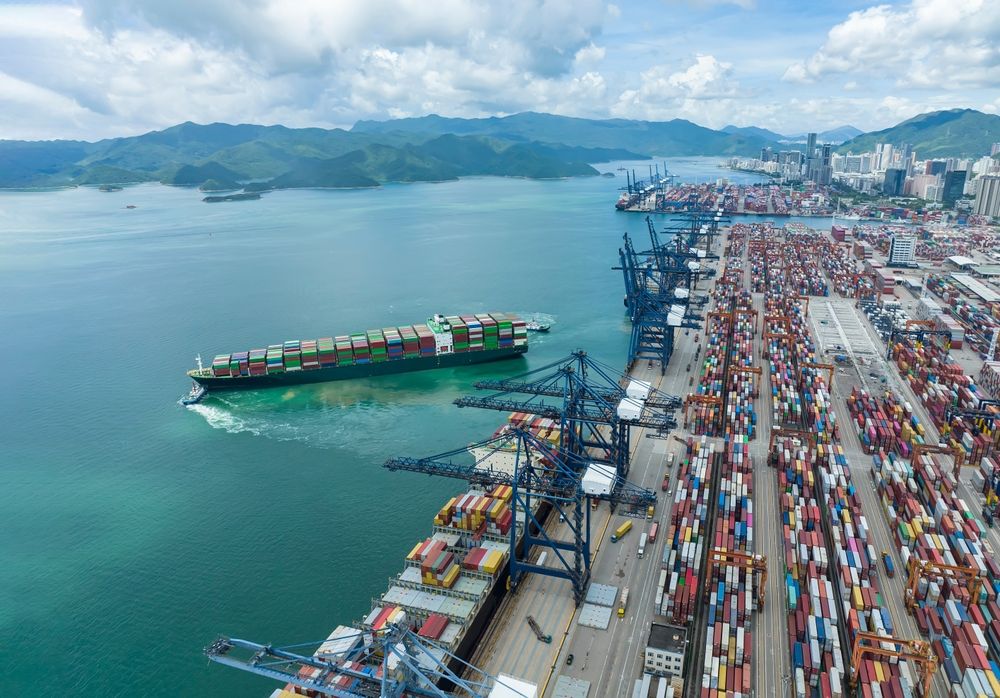
- Logistics and customs. You are no longer a parcel — you are a commercial shipment with an HS code, a declared value, an Incoterm and a duty bill.
- Payment structure. Deposit plus balance against documents is standard. Cash-on-delivery is not.
Five Questions Retail Guides Never Answer
If your only research so far has been shopping content, these are the questions nobody covered:
- Who is legally the importer? Your company name goes on the customs entry. Duties, VAT and product compliance land on you, not on the supplier.
- Which certifications does your market require? Electronics, toys, textiles, food-contact items and packaging each have their own regimes. “The factory says it is fine” is not a compliance argument.
- Who owns the tooling? If you paid for a mould, the agreement should say so in writing.
- What happens to a rejected batch? Rework, replacement, credit or return — decided before production, not after.
- What is your realistic landed cost? Unit price plus freight, insurance, duty, inland delivery and any compliance testing. The unit price alone tells you almost nothing.
A Typical Bulk Order, Step by Step
This is the shape of a normal first order in a category such as consumer electronics accessories, packaging or home goods. It is a process description, not a claim about any particular client:
- Specification and target price. You describe the product, the intended market and your target landed cost. A workable supplier responds with what is realistically achievable at your volume.
- Quotation. Price tiers by quantity, MOQ, lead time, payment terms, Incoterm, sample cost and tooling cost.
- Sampling. A pre-production sample is produced and sent. This is the single most valuable step in the whole process.
- Order confirmation. Deposit paid, production slot booked.
- Production and inspection. Inline checks, then a pre-shipment inspection against the agreed spec before the balance is released.
- Shipping and clearance. Freight booked, documents issued, goods cleared and delivered.
For a deeper look at how the middle of that chain behaves in practice, see 7 Things Chinese Factory Owners Won't Tell You and our full guide to finding reliable suppliers.
How to Tell You Are Ready for Bulk
You are probably ready when you can answer all four of these without guessing:
- You know the exact specification, not just a product photo.
- You know where the product will be sold and what that market requires.
- You can forecast a quantity you are willing to commit to for a first run.
- You have accepted that the first order is a learning order — and priced it that way.
If any of those four is still open, the correct next step is not a bigger order. It is a specification.
Where a Sourcing Partner Fits
Retail shopping content tells you China is cheap. Procurement reality tells you China is capable — and that capability has to be specified, verified and shipped. A sourcing partner exists to close exactly that gap: turning a trend you saw on a screen into a specification, a supplier, an inspection report and a cleared shipment.
FAQ
Is bulk sourcing always cheaper than buying retail?
Usually the unit price is lower, but the landed cost is what matters. Once freight, duty, inspection and compliance are added, the advantage depends entirely on your category, volume and specification.
Can I start with a small trial order?
Often yes — but a trial order does not avoid tooling, sampling or certification costs if those are genuinely required for the product. Expect the first order to carry one-off costs that later orders do not.
Do I need to visit China?
No, but it helps. Many buyers run their first orders remotely with third-party inspection. The value of a visit is covered in China Travel for Sourcing.
If you are weighing up your first volume order and want the numbers to make sense, tell us what you are buying and where you are selling it — we will tell you what is realistic.
— The Sumudu Team