Five Phrases, One Signal
Over the last two years, a family of phrases has moved through English-language social platforms, all built on the same prefix: China Travel, China Shopping, China Cool, Chinamaxxing, and now China Haul. Taken one at a time, they look like travel and shopping content. Taken together, they describe something a sourcing team should pay attention to.
The thread running through all five is a change in distance — physical, informational and emotional — between a Western buyer and Chinese products. That distance has been shrinking, and it changes what buyers expect from a supplier.
The Five Terms, Decoded
- China Travel. Foreign visitors documenting real trips through China — cities, food, transport, everyday life. Commercially, it signals something practical: more buyers are willing to get on a plane and stand on a factory floor.
- China Shopping. Buying in China directly, at retail scale. It normalises the idea of Chinese product as a first choice rather than a fallback.
- China Cool. Cultural exports — games, science fiction, tea, design — that make Chinese products interesting rather than merely inexpensive.
- Chinamaxxing. Adopting Chinese habits wholesale. For business, it describes buyers who have learned the local working rhythm rather than fighting it.
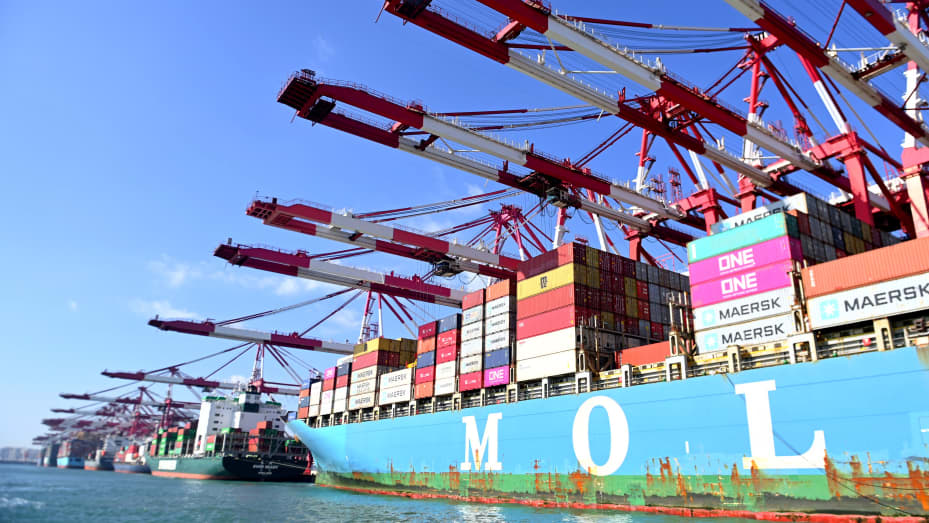
- China Haul. Sharing what you bought, because you trust it. The retail version is an unboxing video; the B2B version is a container that arrives exactly as specified.
Why a Sourcing Team Should Care
Three reasons, in order of usefulness:
- Demand signals arrive earlier in social content than in sales data. A category that is gaining cultural attention abroad is a category your customers will ask about, usually before your competitors have a supply route ready.
- Expectations rise with familiarity. A buyer who has seen Chinese factories up close, in person or on video, is less impressed by a glossy catalogue and more interested in inspection reports, lead times and compliance evidence. Suppliers who cannot produce those lose the order.
- The comparison set changes. Once a buyer knows what a category costs to make, price-only negotiation stops working. What replaces it is specification, consistency and logistics — the parts of the chain a sourcing partner actually controls.
From Trend to Purchase Order
Every one of those five phrases ends, commercially, in the same six stages. Nothing about a trend shortens them:
- Specification. Turn the idea into material, dimensions, tolerances, packaging, labels and target market.
- Sampling. Approve a physical sample against a written checklist and keep a sealed reference.
- Production. Confirm the schedule in writing, then track it with scheduled updates.
- Inspection. Check the shipment against the approved sample before the balance moves.
- Shipping and customs. Match documents to goods, classify correctly, and book against real deadlines.
- Repeat. Measure the landed cost, act on what inspection found, and order again with fewer surprises.
That is the whole business. Everything else is content.
Read the Full Cluster
Each term has a practical article behind it:
- China Shopping → China Shopping vs Bulk Sourcing: What B2B Buyers Should Know — where retail buying and procurement stop being comparable.
- Chinamaxxing → Chinamaxxing for Business: Working With China Like a Local — communication rhythm, holiday timing, paperwork and payment habits.
- China Haul → What a Real China Haul Looks Like for a B2B Buyer — the six stages, and the five checks before you release a balance.
- China Travel → China Travel for Sourcing: Make a Factory Visit Count — how to prepare, what to inspect on the floor, and how to leave with something agreed.
- China Cool → Beyond Black Myth: Chinese-Made Products Western Buyers Love — which categories benefit and what must be verified first.
For the foundations underneath all of it, start with our complete guide to finding reliable suppliers in China, the 2026 sourcing trends overview, and the cautionary story of a $50,000 quality-inspection lesson. If your interest is cultural rather than commercial, Black Myth: Wukong, Chinese science fiction, Chengdu and Chongqing and the art of Chinese tea cover the ground behind China Cool and China Travel.
What We Do
We are a sourcing partner, not a content publisher. Our work is the six stages above: specification, sampling, supplier verification, production follow-up, inspection and shipping — across categories and across the languages your suppliers actually use. When a trend turns into a real enquiry, that is where we come in.
FAQ
Are these trends actually relevant to B2B buyers?
Indirectly, yes. They do not change how a purchase order works, but they change buyer expectations, willingness to travel, and the categories customers ask for.
Which of the five should I act on first?
Whatever is closest to a category you already sell. A trend is a demand signal, not a business model.
Do I need all six stages for a small first order?
Yes, in proportion. A small order still needs a specification, a sample, an inspection and matching documents — just at smaller scale.
If a trend brought you here and you are ready to turn it into a specification, tell us what you want to source.
— The Sumudu Team