The Word Means Trust, Not Shopping
China Haul entered the English-speaking internet as a retail format: unboxing a pile of things bought in China, one by one, on camera. Look closely at why the format works and the answer is not price. It is trust — the haul exists because the buyer is confident enough to show what they bought.
For a business buyer, that reframing matters. Your haul is not a suitcase. It is a commercial shipment, and it arrives at the end of a process with six stages. The unboxing is stage six. Everything that makes the unboxing good happened in stages one to five.
A Container Is Not a Suitcase
- A suitcase is packed by the person who bought it. A container is packed by people who will never see your customer.
- A suitcase has no paperwork. A shipment has a commercial invoice, packing list, bill of lading and a customs entry in your company’s name.
- A suitcase failing is an annoyance. A shipment failing is a container of unsellable stock, a duty bill you already paid, and a season you have missed.
Stage 1 — Enquiry and Quotation
What actually happens: you describe the product, the market and the volume. The supplier responds with a price that assumes a specification you may not have written down yet.
What to get in writing: quantities with price tiers, MOQ, lead time measured from deposit not from contract, Incoterm, payment terms, sampling cost and tooling cost. If a quotation has no Incoterm, you cannot compare it with anything.
Stage 2 — Sampling and Tooling
This is where the order is really won or lost. A pre-production sample is your only cheap chance to find out whether the unit price you negotiated is even achievable at the quality you expect.
- Approve against a written checklist, not a feeling.
- Keep one approved sample sealed as the reference for inspection.
- If tooling is involved, agree in writing who owns it and who stores it.
Stage 3 — Production and Inline Checks
Production is not a black box you wait outside of. Reasonable visibility includes: confirmation that material has arrived, first-article approval, photos of the line running, and regular progress updates against the confirmed schedule.
On a first order, ask for two scheduled updates a week. Suppliers who resist giving them are telling you something useful.
Stage 4 — Pre-Shipment Inspection
Before the balance leaves your account, someone should be standing in the warehouse with the approved sample and a checklist. Inspection is not “does it look nice” — it is a defined sample size, a defined set of checks and a written report with photographs.
If your category carries regulatory requirements, compliance evidence belongs at this point too, not after the goods are at sea.
Stage 5 — Freight, Documents and Customs
Three things cause most of the pain here:
- Documents that do not match. Invoice, packing list and the physical cartons must agree on quantities and marks. The bill of lading must tie back to the commercial invoice.
- Classification and valuation. The HS code and the declared value determine duty. Getting these wrong is expensive and, in most jurisdictions, the importer’s responsibility.
- Booking against a deadline. Space and schedule change fastest in the peak weeks before Western holiday seasons.
Stage 6 — Arrival, Unboxing, Sell-Through
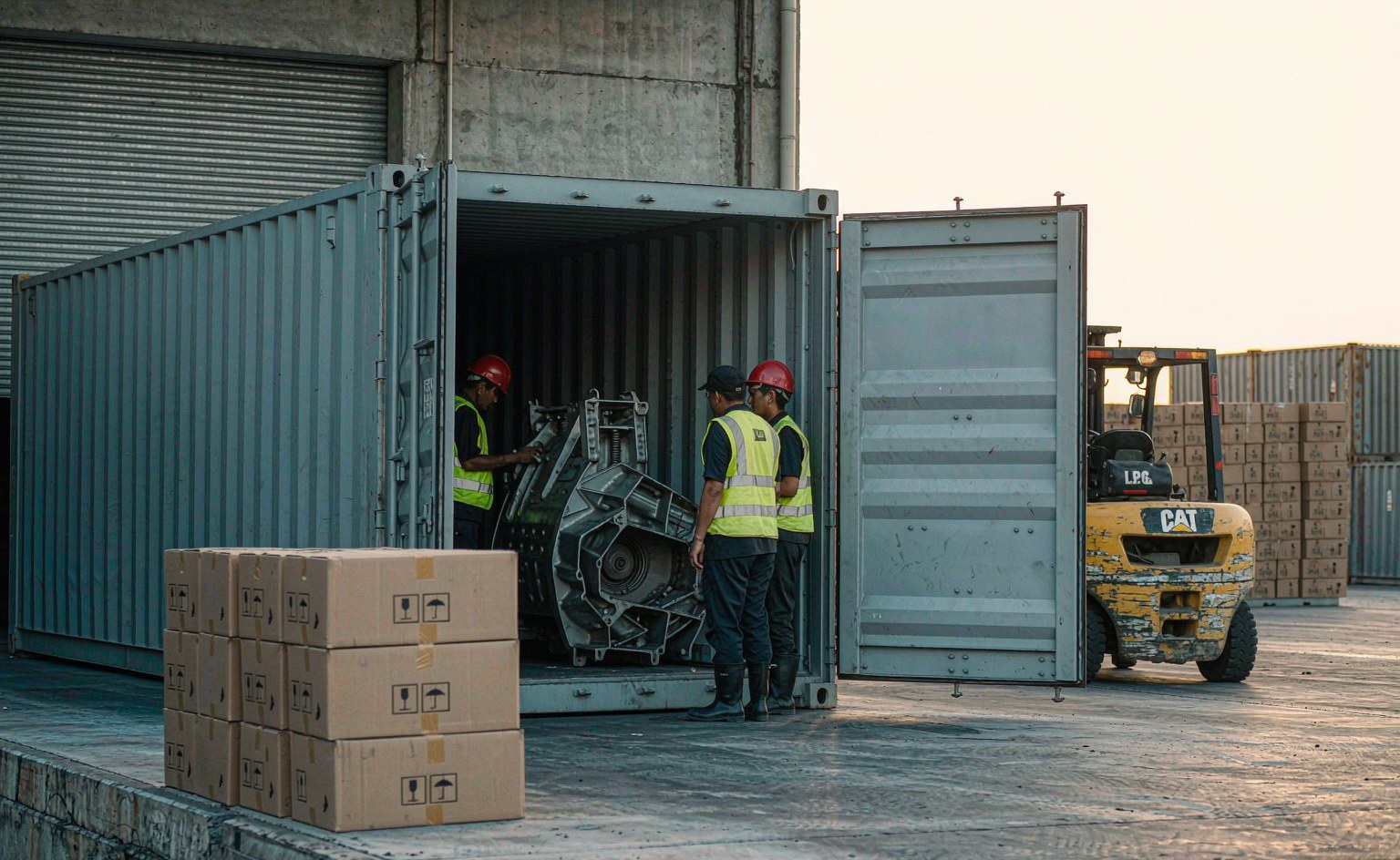
This is the part the trend is named after, and it is worth slowing down. On arrival, compare a sample carton against the approved sample, check the shipping marks, confirm the outer-carton condition, and record anything that differs — with photographs and date stamps. On a first order this record is what any claim will be built on.
Then the haul goes on sale, and the real test starts: does it reorder?
Five Checks Before You Release the Balance
- Inspection report received, reviewed and signed off against the approved sample.
- Photographs of packed cartons with shipping marks, quantities matching the packing list.
- Copies of the shipping documents, with names, quantities and values consistent across all of them.
- Any required compliance documentation in hand — not promised.
- Banking details re-verified through a channel you already trusted before this order.
How a Haul Becomes Repeat Orders
A one-off haul is a transaction. A repeat haul is a supply chain, and it is built from four things: a specification that survived production unchanged, an inspection routine that caught problems before shipment, a supplier who was told about the problems honestly, and a landed cost you actually measured instead of estimated.
Buyers who do those four things end up ordering the same product again with fewer surprises. That is the business version of the unboxing video — and it is the version that pays for itself.
For the earlier stages in more detail, see China Shopping vs Bulk Sourcing and the $50,000 lesson about quality inspection.
FAQ
Do I need a third-party inspection on every order?
Not necessarily every order, but certainly on the first order, after any supplier or component change, and on any order you cannot afford to lose.
Who is responsible if the goods are wrong?
Responsibility is defined by your agreement and by what your inspection found before shipment. This is exactly why the inspection report and the approved sample matter.
What does a sourcing partner actually add here?
Continuity: the same specification, the same checklist and the same escalation path across orders and across languages, so stage four does not depend on your memory.
Planning a first shipment and want the six stages handled properly? Start with your specification.
— The Sumudu Team