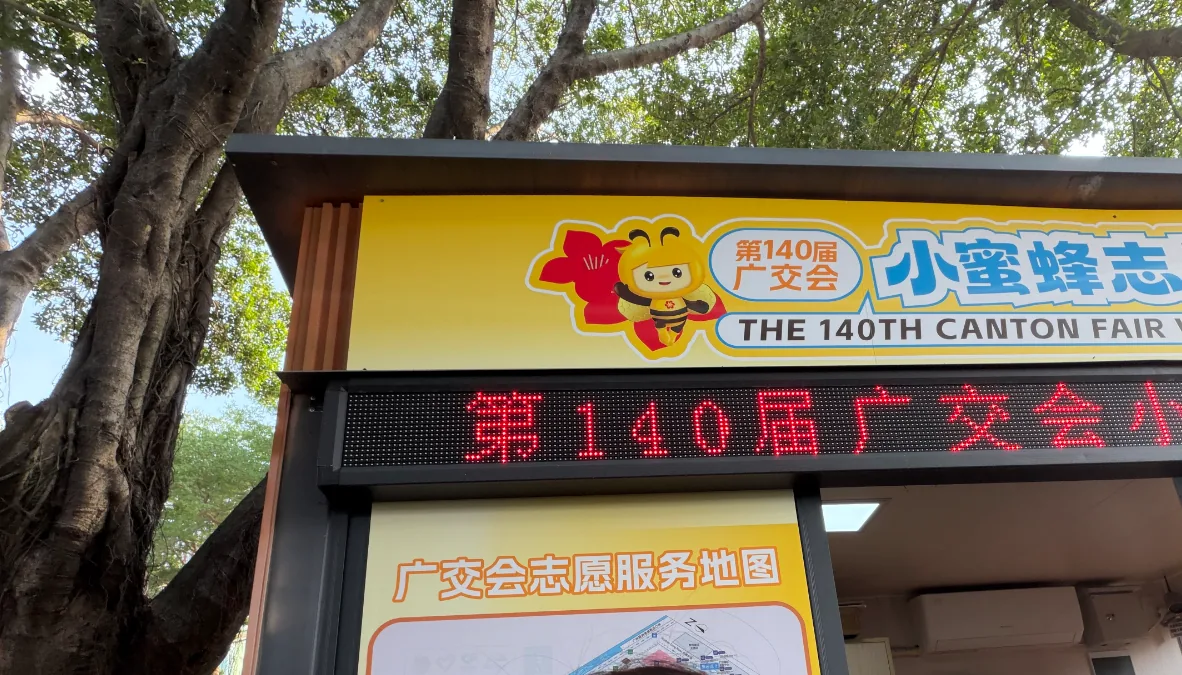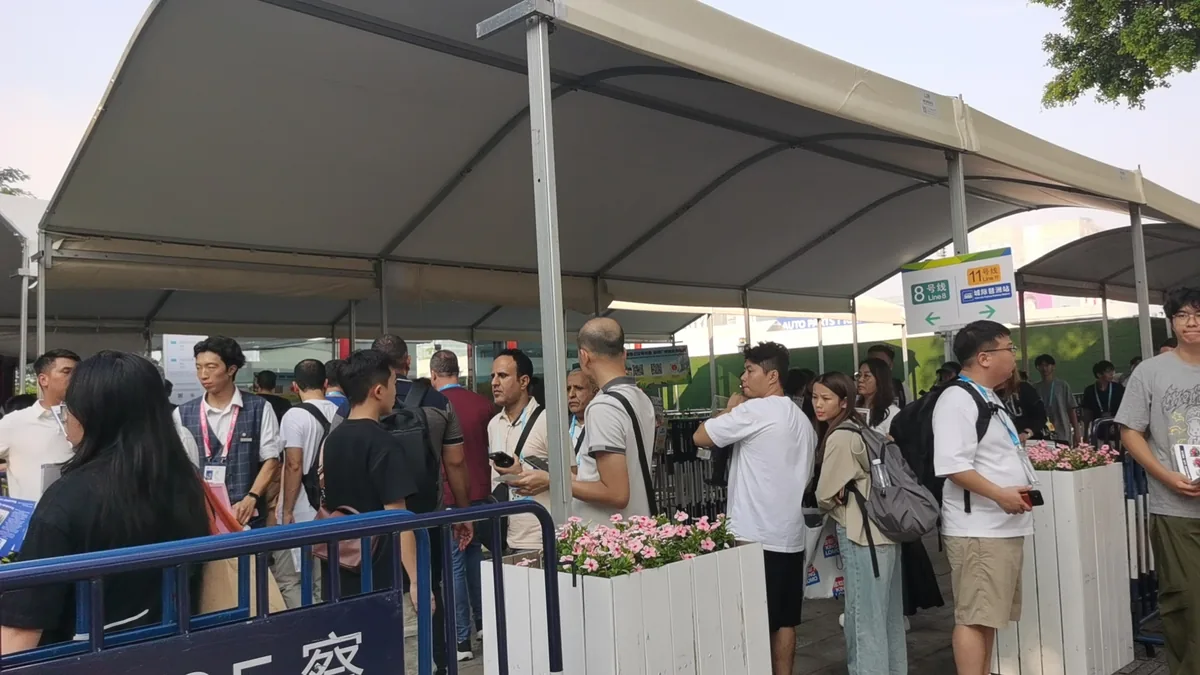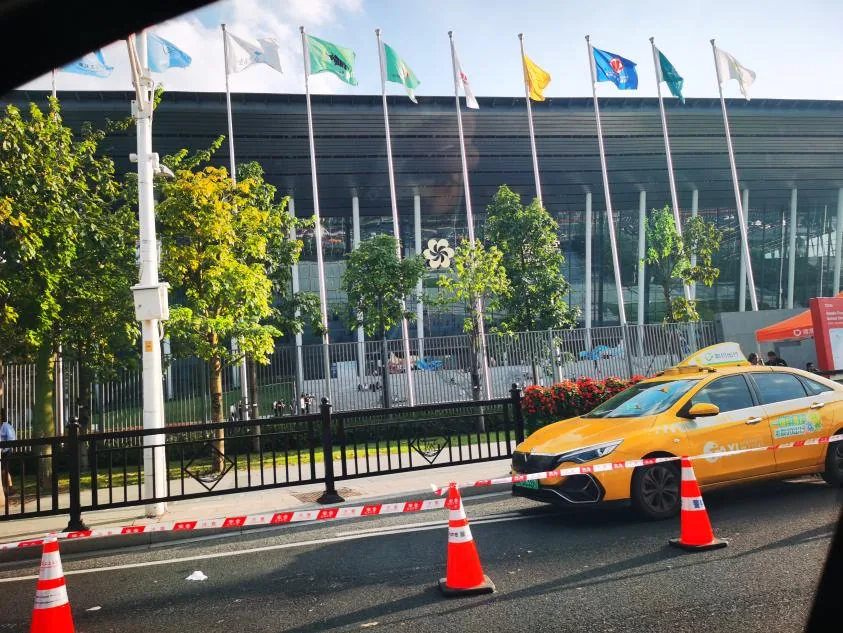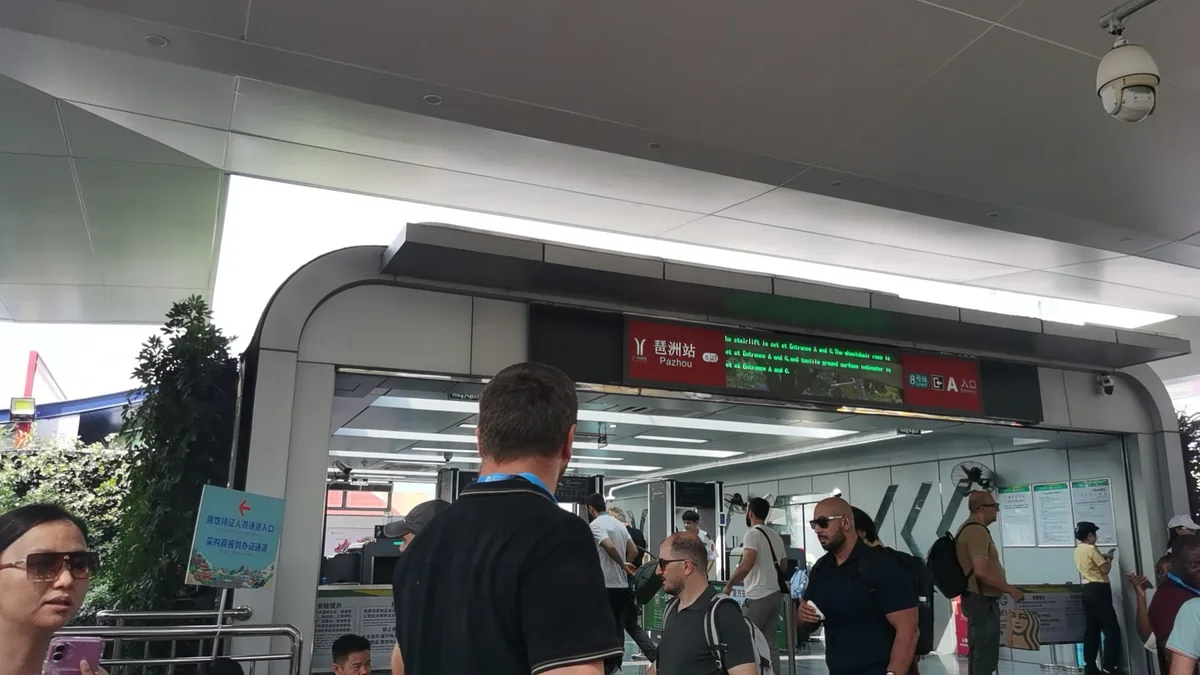
If you are reading this you already know what the Canton Fair is. What follows is the version we would send to a buyer who has four days, one pair of shoes, and a shortlist that has to be real by Friday.
One disclosure first: we are a sourcing office in Dongguan, about an hour from the complex. When a client gives us their four days, this is roughly what we do with them.
The three phases, and which one is yours
- Phase 1, 15-19 October 2026. Machinery, industrial automation, electronics, vehicles and parts, hardware and tools, building materials, energy.
- Phase 2, 23-27 October 2026. Consumer goods, gifts, home decoration, garden products.
- Phase 3, 31 October - 4 November 2026. Textiles and garments, shoes and bags, office supplies, food, medical devices.
Dates and hall allocations change between sessions, so confirm on cantonfair.org.cn before you book a flight.
If you buy machines, Phase 1 is the only phase that matters. If you buy machines and the consumables that go with them, you need Phase 1 and a second trip for Phase 2. Trying to do both in one week is how people fly home with a suitcase of catalogues and no decisions.
What the floor numbers mean in practice
The 140th session covers about 1.55 million square metres across 54 exhibition zones, with more than 75,000 booths. That is not a fact you can use. What you can use is this: two halls that look adjacent on the map can be a fifteen-minute walk through crowds, and Phase 1 alone is bigger than most national trade fairs.
Practical consequence: one product category per day. Not two. If your list has three categories, you need three days minimum, and you will still spend the last afternoon walking back to the two booths you actually liked.
A four-day plan that survives contact
Day 1. Walk the map before you walk the booths. Pick three suppliers per category from the official exhibitor list, and visit only those three. Collect catalogues, ask for the name of the person who can quote, and photograph the booth number and the machine plate. Do not negotiate on day one; you do not have enough information to negotiate.
Day 2. Go back to the two suppliers that survived. This is the day for technical questions: tolerance, power rating, control system, spare parts availability, what happens when a part fails in year two. Ask each of them the same questions, in the same order, and write the answers down. Comparing answers is the whole point of the trip.
Day 3. Money and time. Ask for a quotation against your own specification, not their catalogue number. Ask what the price is at 1x, 3x and 10x your quantity, because the answer tells you where their break points are. Ask for the lead time in writing, and ask when the factory will next be running your product.
Day 4. Paperwork and samples. Place sample orders, confirm who pays the freight, and get the WeChat or WhatsApp of the export person, not just the sales person at the booth. Then leave. Four days of walking is enough; the fifth day produces bad decisions.
Getting there, and getting around
Fly into Guangzhou Baiyun (CAN). Metro Line 3 to Tiyu Xilu, change to Line 8, get off at Pazhou or Xingang East; the exits open into the complex, and the whole trip is around 50 minutes with one change. A taxi takes 45 to 60 minutes depending on traffic, and on the first morning of a phase it takes longer than the metro.
Register for the buyer badge online before you fly. The badge is free, but the queue at the on-site registration counter on opening morning is not free: it can cost you two hours.
Attaching a factory visit to the trip
This is the part most buyers skip, and it is the part that decides whether the trip was worth the airfare. Dongguan, Shenzhen, Foshan and Huizhou are one to two hours from Pazhou by car. A factory visit takes half a day: the line, the QC station, the warehouse, the loading bay, and the person who signs off before the container is sealed.
What to prepare: your specification in writing, the order quantity you are really considering, and three questions you will ask the same way at every factory. What not to do: turn up without an appointment during the fair, when every factory is hosting customers and the person who could answer you is at the exhibition hall.
Questions we get asked before a buyer flies out
“I only buy small quantities. Is it worth going?” If your annual volume is under one container, the trip usually is not worth it on its own. Send the specification instead, and let someone local do the walking. Come when you are ready to place three to five containers a year, or when you are choosing a long-term product line.
“How do I tell a factory from a trading company at the booth?” Ask three things: whether you can visit the factory this week, what the factory address is, and whether the person answering has ever stood on the production line. Traders can answer the first two. The third one is where the conversation changes.
“Can you meet me at the fair?” Yes, as a companion or with our own badge arrangements, and we will tell you in advance what each option allows. More on what we can and cannot do inside the halls is in our FAQ and customer Q&A.
Tell us what you are buying
Product, specification, quantity, destination port. That is enough for us to start, and we will tell you honestly if we are the wrong people for the job.
Send your requirement → Read the FAQ & customer Q&A →
Or write to sales@sumudu-cn.com / WhatsApp +86 185 7525 8123. A person answers, usually within one working day.